A CV and a website have different jobs
Your CV is a compact record of experience, skills and qualifications tailored to a role. A résumé website is a place to explore selected work in more depth. Use the CV for the application format an employer requests and the website as supporting evidence when appropriate.
You do not need a website for every profession or every application. If a straightforward document communicates your fit, start there. A site earns its place when it makes relevant work easier to understand, share or discuss. It should reduce friction rather than become a second unpaid job.
What to put on a résumé website
- A clear introduction: your name, target role and the kind of work you do.
- Selected projects: two or three relevant examples with an explanation of your contribution.
- Experience: a concise summary and a downloadable, current CV.
- Contact: a professional email and useful profile links.
Put the most relevant work first. A hiring manager for a writing role should find your writing without traversing your entire creative multiverse. Keep personal details proportionate; you do not need to publish your full home address or identity documents.
A useful project story has four parts
The problem: what needed to change, and for whom? Your role: what did you personally do? The decisions: why did you choose that approach, given the constraints? The outcome: what happened, what did you learn and what would you improve?
For a student project, an outcome might be a functioning prototype and feedback from a small test. For a campaign, it might be verified engagement data. For confidential work, describe the approach without publishing restricted material and obtain permission where necessary. Do not round uncertainty up to success.
Add screenshots, excerpts or a live link where they help. Explain what the reader is looking at. Your portfolio should make sense even if a past project’s live site has changed or disappeared.
No paid experience? Label the work honestly
College work, volunteer projects and self-initiated concepts can demonstrate skills. Introduce each accurately: ‘Concept redesign for practice; not commissioned by the brand’ is clear. Explain the brief you set, the constraints you chose and how you assessed the result.
Choose a small project relevant to your target role. A content applicant could write and edit a three-part guide. A developer could build a focused tool and explain the technical decisions. Finishing something useful beats maintaining a museum of ‘coming soon’ cards.
Make it easy to use, not just easy to admire
Check the site on your phone and with a keyboard. Use readable text, clear navigation, sensible image sizes and obvious links. Let people get to the work without waiting for a long animation. The loading screen does not need a character arc.
Try opening your CV in a private browser window to check that it does not demand your own account login. Check every project link. Keep the résumé file and website dates consistent. A good portfolio respects the reader’s time.
See examples, then choose your own format
Merrill’s digital résumé offers a focused example, while Merrillverse Story explores a more animated presentation. These demonstrate different design approaches, not a guaranteed hiring advantage.
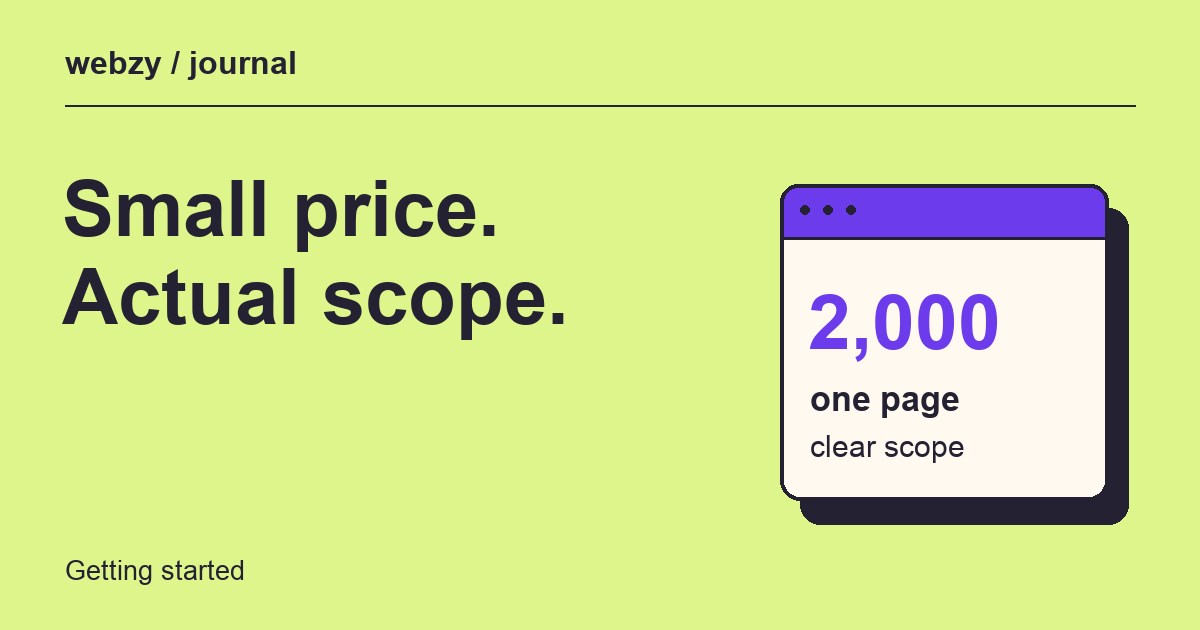
For the wider process, read our job-search guide for 2026. If a simple portfolio fits your needs, Webzy’s template-based Mini build starts at ₹2,000, with supplied content and one revision round. Domain and hosting are extra; custom storytelling and 3D need a separate quote. Start with the evidence, then choose the container.
Practical guides from Webzy, the website studio founded by Merrill Dsilva. We sell website services; our own offers are identified in the text. Examples are illustrative unless linked to real work.
Spot something that needs updating? Tell Merrill.